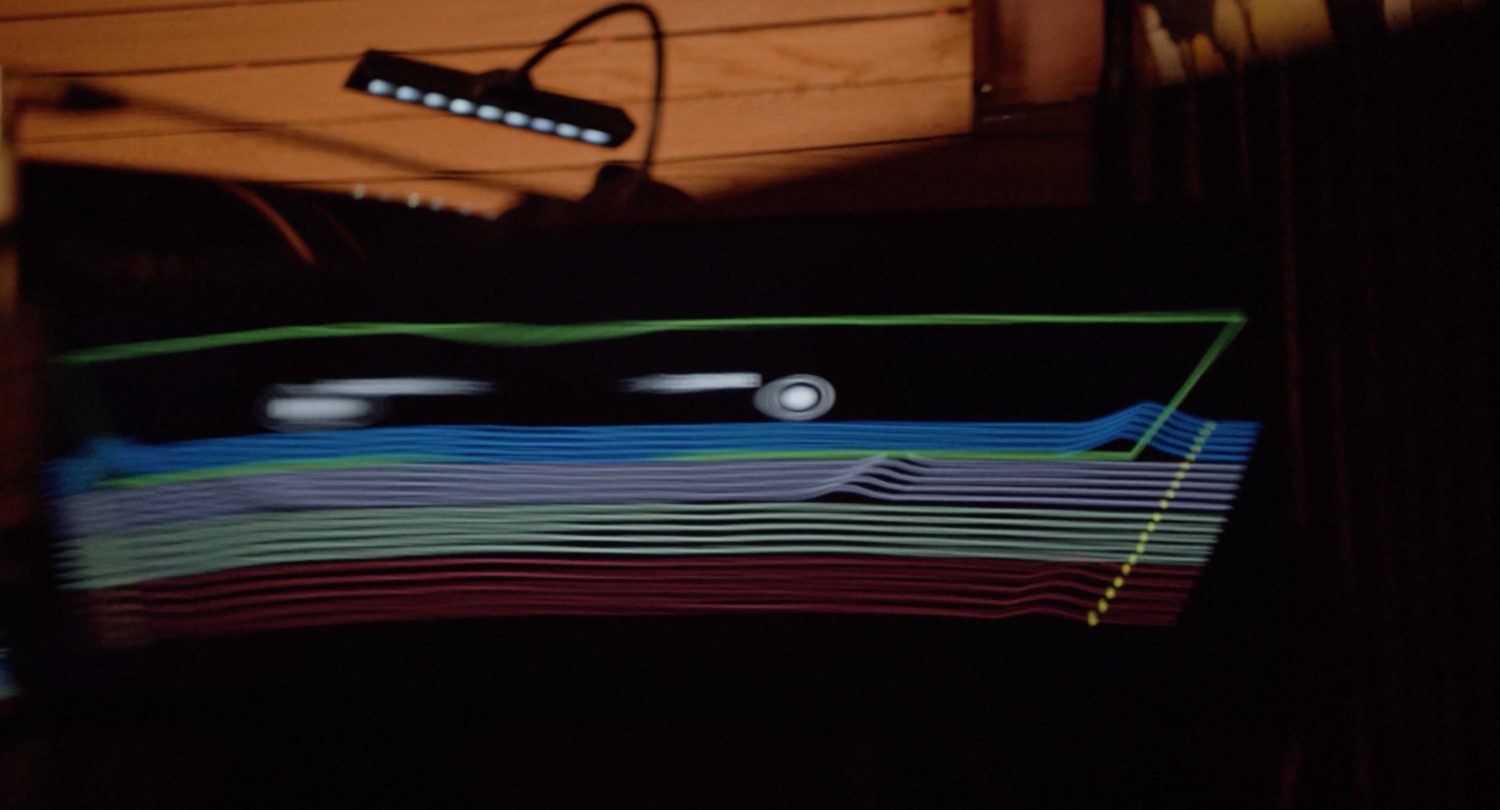
Through self-regulating systems in which performed sound, electronics and score are interconnected in real time, MAPPINGS takes three field recordings, one made in London and two in Mexico City, as raw materials which are mapped onto the ensemble over the course of the piece. Performed by Plus-Minus Ensemble, recorded at The Empire Studio and filmed by Anna Francesca Jennings.
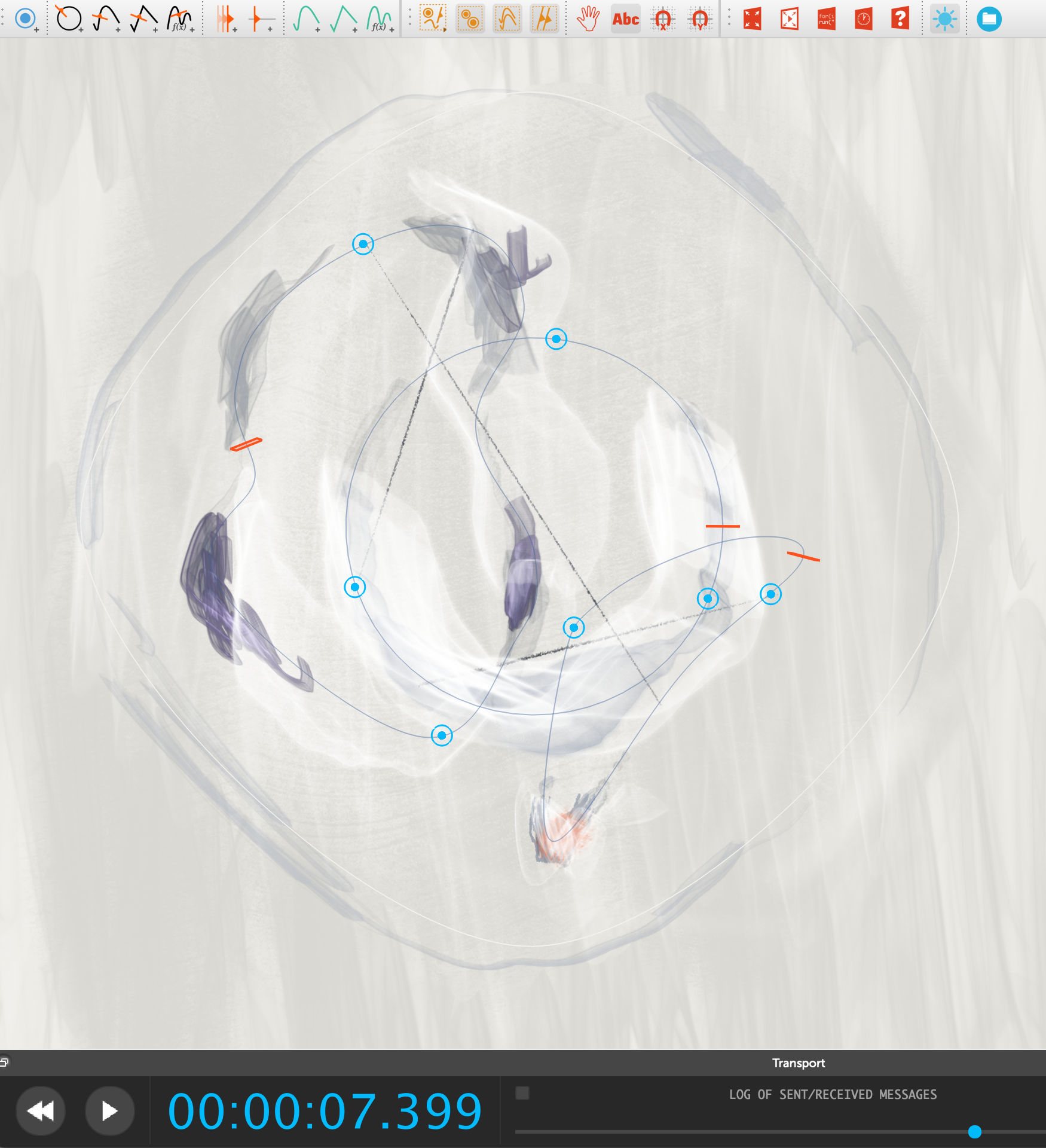
RETS I and II are solo instrument and electronics pieces where acoustic instruments, electronics and a graphic interface called IanniX, which also functions as a score, are made interdependent through a custom-built network of feedback cycles and comparators. I built these networks with resonance in mind, which sits in a delicate balance between being contained and spinning out of control, depending on how the performer interacts with the score.
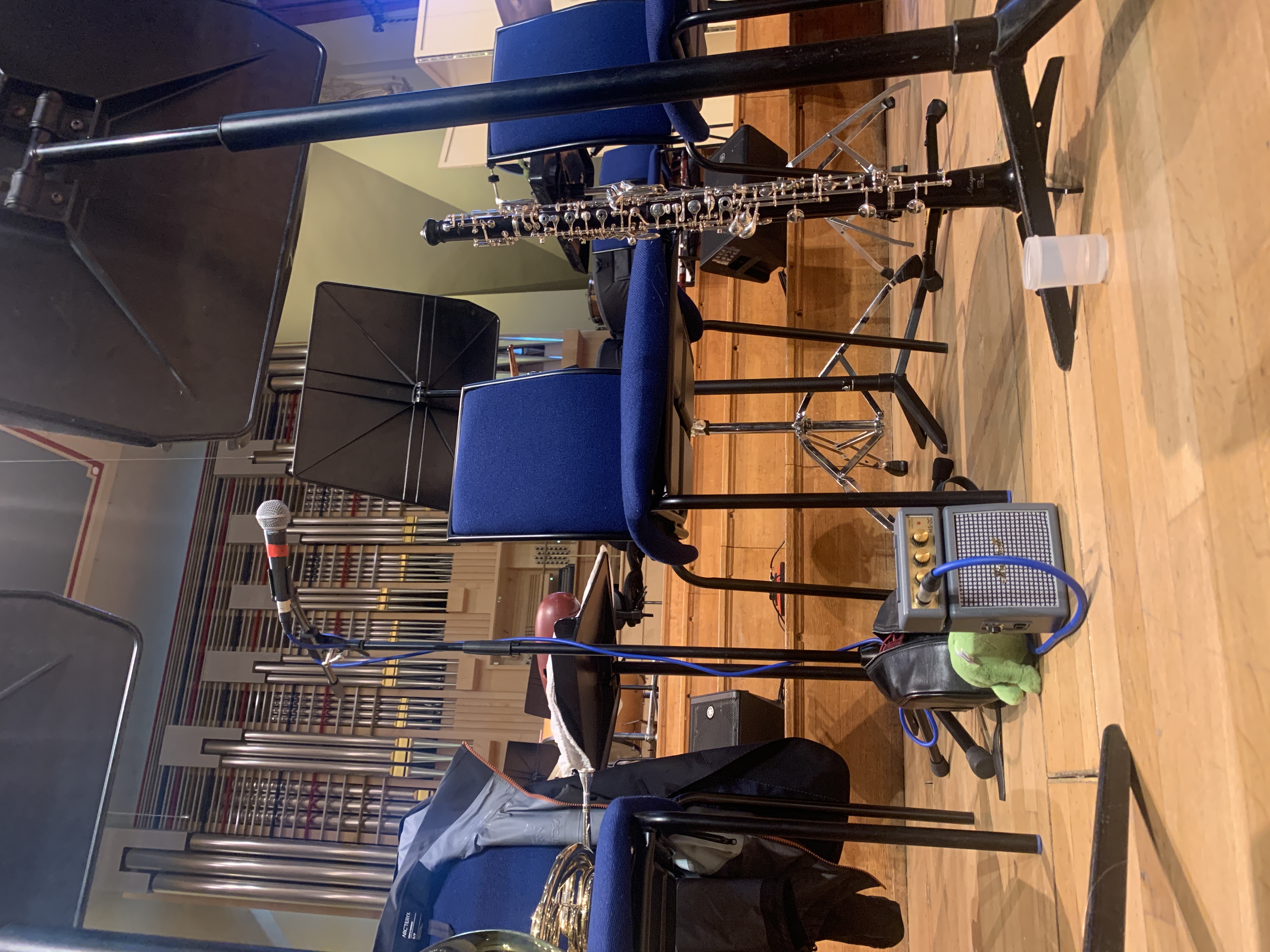
Substrata is an exploration of mapping distinct vocal textures to the orchestra in a journey which goes from unvoiced sounds, such as breathing, all the way to vocalising and singing. It also investigates creative ways of amplifying instruments to create an organic blend between acoustic and amplified sound.
Substrata was written with the generous support of The Jane Manning – Anthony Payne Award.
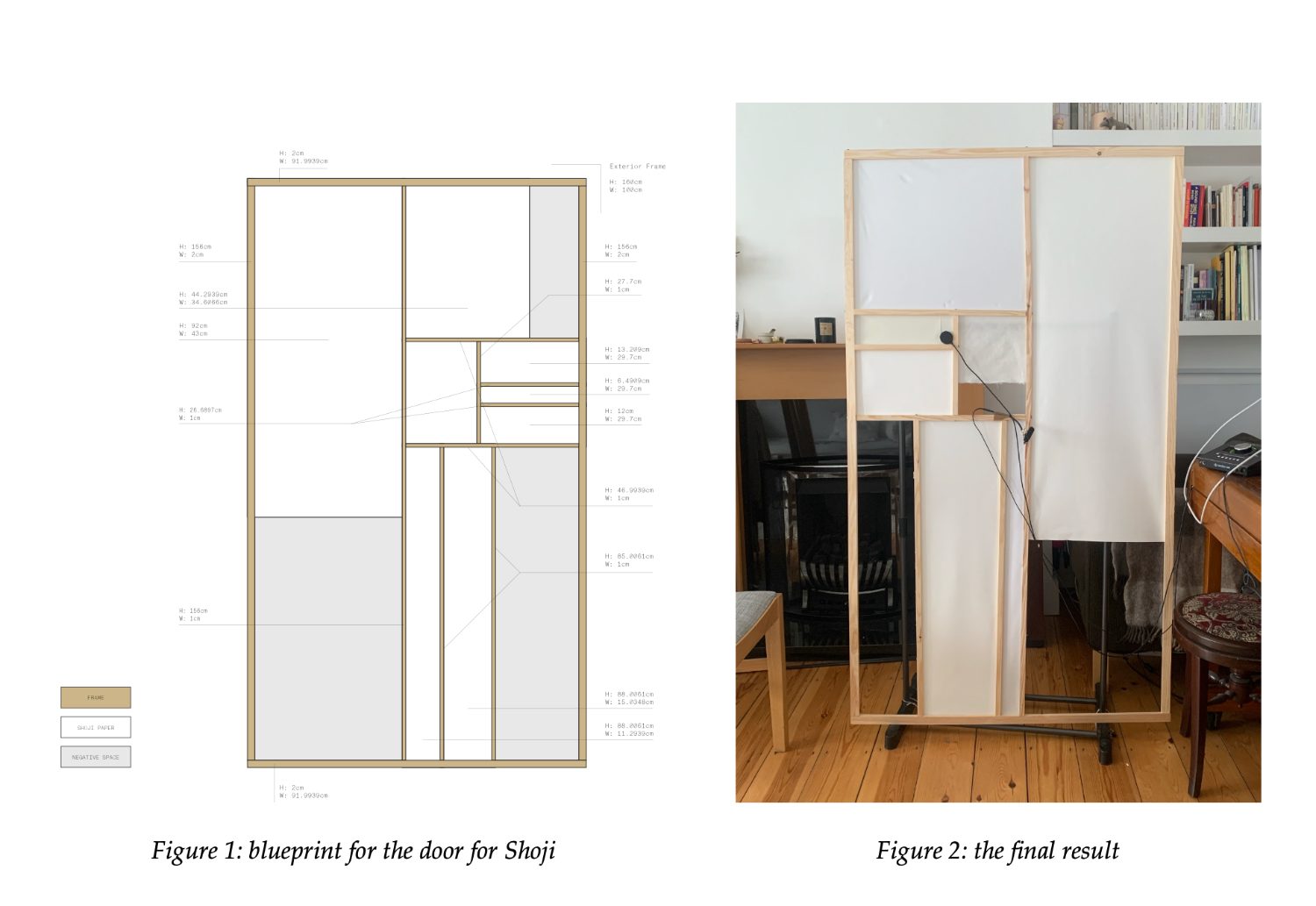
Shoji grew out of a collaboration with Japanese dance choreographer Kai Tomioka, built around the gesture of sliding. For this piece, I built a Japanese sliding door to be played as an instrument, with the custom-designed rice paper panels allowing for a variety of hand gestures to reproduce sliding and drumming sounds. The instrument doesn’t just make sounds; it shapes how the music is thought and played.
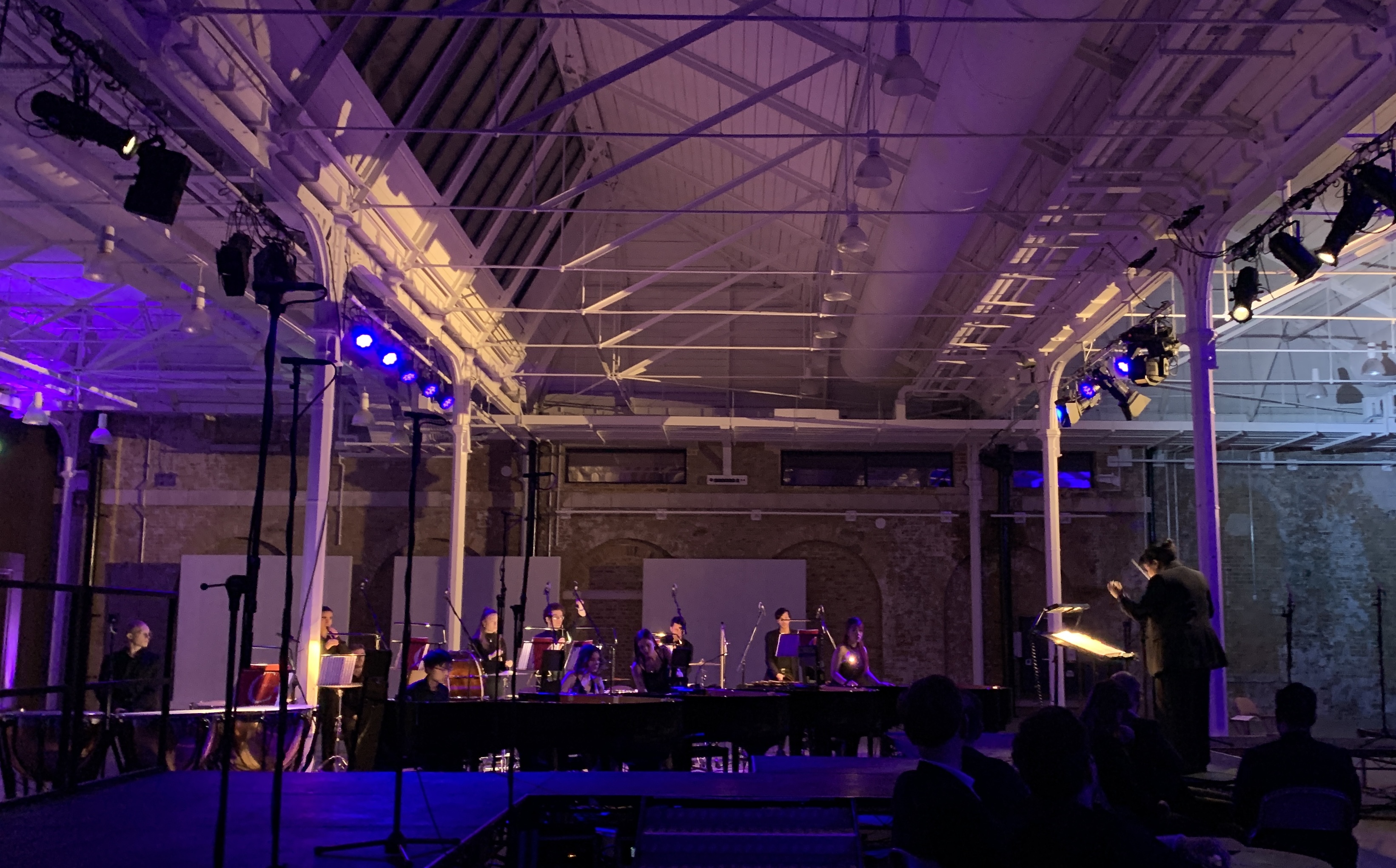
Appels was commissioned by New Movement Collective as a response to Stravinsky’s Les Noces. Using the same instrumentation (minus voices), the piece looks at Les Noces’ ending bell sound from different perspectives, distorting acoustic sound with electronics and questioning the identity of the piano as an instrument.
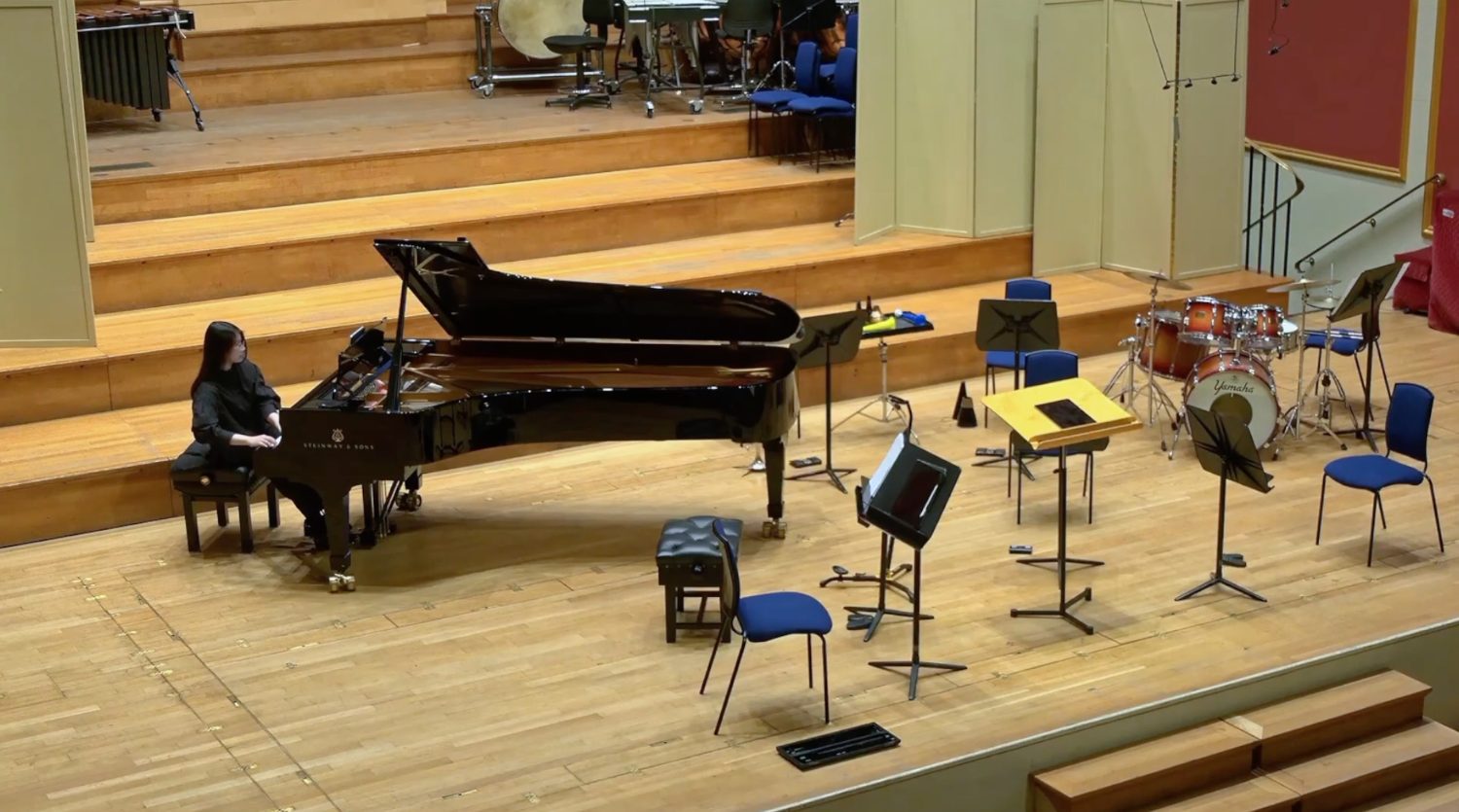
These three etudes explore the glissando technique, using different approaches to showcase the full potential of the instrument.